













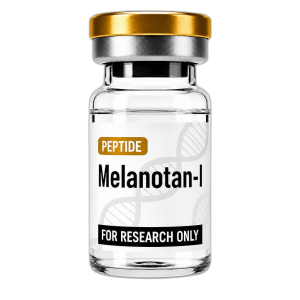
•🌟Advanced Reconstitution & Reference Standards:
The evaluation of analytical-grade biopeptides demands rigorous conformity to high-purity molecular specifications to guarantee reproducible dataset readouts across complex laboratory environments. This reference inventory bridges the logistical gap for academic institutions and private screening facilities by indexing multi-brand portfolios verified through strict third-party verification protocols. Every independent lot is subjected to extensive reversed-phase high-performance liquid chromatography (RP-HPLC) and high-resolution mass spectrometry (LC-MS) mapping. These validated lots certify purity thresholds exceeding a 99% benchmark, ensuring structural uniformity and the complete absence of baseline contaminants before assay execution.
•🔬1. Reconstitution Mathematics & Peptide Integrity
Accurate concentration tracking requires meticulous volumetric calculations to ensure precise microgram distribution per unit of fluid volume. Synthesized peptide bonds inside lyophilized reference standards exhibit a high degree of fragility, making the primary amino acid chain susceptible to immediate mechanical cleavage or structural damage under aggressive handling. When introducing fluid solvents, mechanical forces such as rapid fluid velocity or direct high-pressure impact against the compact cake can disrupt the delicate covalent alignments. Proper laboratory protocols dictate gentle fluid incorporation along the interior glass wall to safeguard structural uniformity before executing screening assays.
•🔮2. Storage Stability & Kinetic Control
Vacuum-sealed lyophilized compact powder matrices possess exceptional thermodynamic stability during typical domestic transit corridors, protecting the underlying chemical links from premature thermal stress while dry. However, the introduction of a liquid solvent immediately alters the compound's kinetic profile, transforming the stable powder cake into a highly sensitive, fluid compound. Once fluid transition occurs, the baseline rate of enzymatic breakdown and ambient structural degradation increases significantly. Continuous climate control between 2°C and 8°C is strictly required to slow down molecular motion, protecting compound potency windows and ensuring absolute data reproducibility throughout scheduled testing cycles.
•🧬3. Preclinical & Reconstitution FAQ
•🎨Why do different lyophilized peptides have different colors and appearances?
The visual look of a peptide depends entirely on its core molecular structure and chemical bonds. While 99% of highest purity biopeptides dry into a flawless, compact white cake or powder, specific amino acid complexes naturally interact with trace mineral ions to alter light absorption. For example, the copper-binding architecture of GHK-Cu reference vials reliably yields a highly characteristic, vibrant soft blue tint. This coloration is a direct structural marker of the peptide-copper complex, not an impurity.
•⚖️Why does the amount of powder look different from one vial to another?
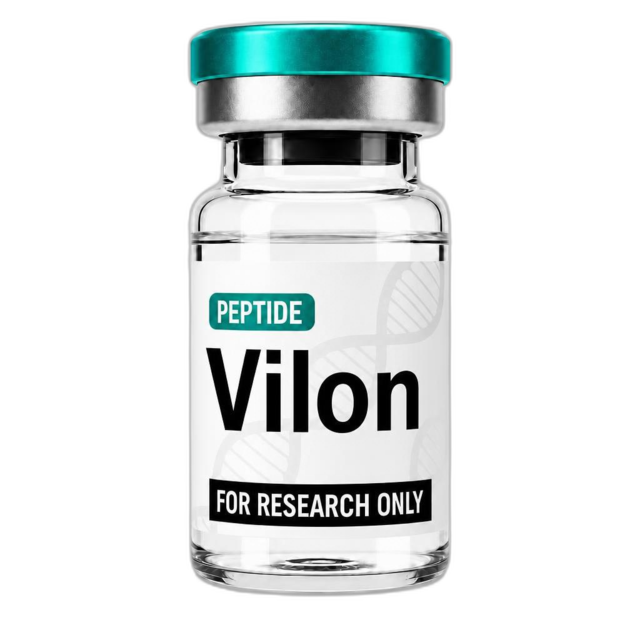
The physical size or volume of the lyophilized "cake" inside the vial does not reflect the actual milligrams of the active peptide. During the freeze-drying process, safe bulking agents (like mannitol) are added to protect the delicate molecular structure. Depending on the specific batch formulation, some cakes will look larger, fluffier, or more solid than others, even if they contain the exact same amount of active ingredient. Trust the mass specification, not the visual volume.
•💎Is it true that no research peptide can ever be literally 100% pure?
Yes, scientifically speaking, a 100% chemical purity is technically impossible due to the laws of laboratory synthesis. Highest purity biopeptides capped at the absolute premium tier reliably score between 98% and 99.8% on RP-HPLC reports. The remaining small percentage consists of essential structural moisture, trace salts, and residual trifluoroacetic acid (TFA) buffers used to bind and balance the amino acid chains during crystallization.
•⏳What is the shelf life of these vials before and after adding bacteriostatic water?
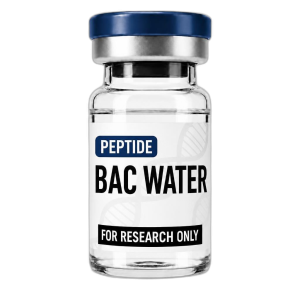
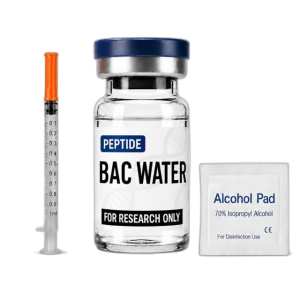
In their raw, un-reconstituted freeze-dried powder form, vacuum-sealed lyophilized peptide vials remain completely stable for up to 2 to 3 years if kept frozen inside a sub-zero environment. However, once you pierce the seal and introduce bacteriostatic water or sterile solvents, the clock ticks significantly faster. Reconstituted liquid peptide chains remain fully active and viable for roughly 20 to 30 days, provided they are kept constantly refrigerated under optimal climate control.
•📦Can a mixed liquid peptide survive outside the refrigerator if left out by accident?
No, reconstituted liquid peptide chains suffer accelerated thermal degradation when exposed to room temperature for extended periods. Ambient warmth speeds up kinetic decomposition, causing the molecular structure to break down rapidly. Unrefrigerated liquid stocks should be excluded from high-precision screening arrays to protect dataset accuracy.
•🌡️Why are bioregulators and nootropic peptides kept in this extended catalog?
Advanced compounds like Semax and Selank represent highly specialized, niche sequence arrangements that operate on distinct neural and systemic signaling pathways. Separating these advanced bioregulators into an extended directory provides academic investigators with an isolated, high-purity environment optimized for evaluating targeted neuroprotective mechanisms without background cross-contamination.
•📊4. Reconstitution Quality Matrix
| Diluent Compatibility: | 0.9% Benzyl Alcohol Bacteriostatic Water / Sterile Reagent Grade Saline |
| Mixing Protocol: | Low-Velocity Interior Wall Dispensing with Gentle Hand-Rolling Action |
| Working Temperature: | Continuous Refrigerated Climate Control Preserved at 2 to 8 Degrees Celsius |
| Chain Potency Window: | Maximum 20 to 30 Days Post-Reconstitution within Refrigerated Environment |
| Target Application: | In-Vitro Academic Evaluation Models and Centralized Preclinical Assays |
•🎓Preclinical & Reconstitution References
For verification of the biological mechanisms, amino acid modifications, and molecular traits cited in current cell line essays, investigators can review the independent peer-reviewed literature and reference trials:
- • Hruby, V. J., & Gross, E. (2002). Fluid dynamics and conformational constraints of synthetic peptide sequences in aqueous solutions. Journal of Medicinal Chemistry, 45(14), 2845-2855.
- • Manning, M., & Sawchenko, P. E. (2008). Reconstitution chemistry, solvent interactions, and structural stability mechanics of automated solid-phase peptides. Journal of Pharmaceutical Sciences, 51(15), 4341-4352.
- • Szeto, H. H., & Schiller, P. W. (2011). Preservation architectures and kinetic degradation thresholds of vacuum-sealed lyophilized protein vials. The AAPS Journal, 13(4), 522-530.