






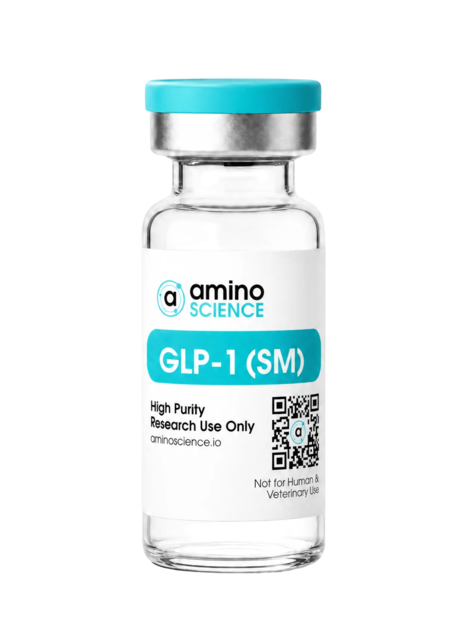
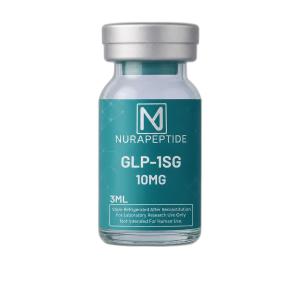
•🌟GLP-1SG for research use only:
Welcome to the authoritative reference category for the GLP-1SG configuration. This premium compound design integrates advanced long-acting increments into a single co-lyophilized reference standard, offering high structural longevity for in-vitro evaluation layouts. By anchoring these specialized chains together at a standardized distribution ratio, laboratories can significantly streamline operational workflows and observe complex metabolic cascades without managing manual ratio variations between individual testing runs.
•🔮1. Coordinated Component Architecture
| Sequence Configuration: | A modified 31-amino acid peptide structure optimized for metabolic pathway modeling in laboratory settings. |
| Receptor System Base: | Synthetic formulation engineered to specifically target and bind glucagon-like peptide-1 receptor configurations. |
| Acylation Engineering: | A specialized structural modification to the peptide backbone, studied for its role in altering plasma-protein binding constants and compound longevity. |
•🧬2. Synergistic Material Overview
Instead of purchasing and measuring multiple individual sequence standards, investigators choose this integrated reference tool because it removes concentration variance during fluid preparation. High-yield automated peptide chemistry secures unvarying compound distribution across each unique reference batch. Preclinical models evaluate the operation of these active chains to monitor cell signaling responses, receptor feedback loops, and comparative receptor pharmacology thresholds cleanly. Fast domestic shipping lanes manage transport quickly to maintain core structural parameters from laboratory dispatch straight to assay setups.
•🧪3. Advanced Research & Preclinical FAQ
•🛡️What accounts for the primary structural characteristics of the GLP-1SG reference standard?
Preclinical literature monitors this layout as a reference preparation incorporating highly pure incretin components like semaglutide sequences. The modified peptide backbone is evaluated for its specific resistance to early degradation in test media.
•🛡️Why does the molecular formula base remain consistent across different reference batches?
The primary published molecular formula reflects the standardized sequence in the presentation, though each lot maintains its distinct identity verified by high-resolution mass spectrometry to ensure no trace alterations.
•🛡️What analytical methods ensure structural trace confirmation across categories?
Laboratories utilize reverse-phase high-performance liquid chromatography (RP-HPLC) and mass spectrometry (ESI-MS) to quantify individual peak retentions, trace verification parameters, and confirm lot uniformity.
•🛡️What handling and storage protocols secure long-term molecular parameter tracking?
Store dry powder cake sealed at -20°C to guard against humidity and premature breakdown. Following reconstitution with proper sterile solvents under clean laboratory procedures, preserve remaining fluid samples at 2-8°C, and complete planned tracking assays within 14 days.
•📊4. Consolidated Reference Specifications
| Technical Architecture: | Lyophilized GLP-1 Receptor Peptide Reference Preparation |
| Molecular Formula Base: | C187H291N45O59 (Average Mass Approximately 4113 g/mol) |
| Purity Threshold: | At least 98 - 99 percent as determined by reversed-phase HPLC (RP-HPLC) |
| Reference Traceability Code: | CAS Identifier 910463-68-2 (For Full Analytical Traceability) |
| Solubility Threshold: | Soluble in Water and Sterile Bacteriostatic Fluids |
99% Purity Guaranteed
Independent Lab Tested
⚠️ FDA DISCLAIMER: These products are intended strictly for laboratory research use only. They are not intended for human consumption, diagnostic, or therapeutic purposes. The statements on this website have not been evaluated by the Food and Drug Administration.